A worker was cleaning a production line that had been switched off. Partway through, it started up – and pulled her arm into a rotating roller, causing multiple fractures. Her employer was fined £333,333.
It’s a case that turns on one of the most dangerous assumptions in any workplace with machinery: that a machine which is “switched off” is safe to put your hands into. It isn’t – and the gap between those two things is where some of the most serious injuries in British industry happen.
WHAT HAPPENED
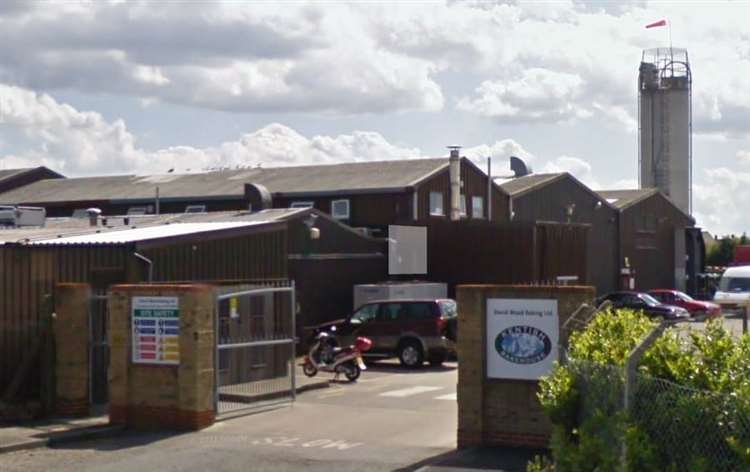
A baked goods manufacturer was fined after one of its workers suffered serious injuries while cleaning a sausage roll production line.
The worker was cleaning the conveyor when she passed her hand through an unguarded conveyor roller. The line had initially been switched off – but while she was cleaning it, it began to operate. Her arm was pulled into the rotating roller, causing multiple fractures including a broken arm.
The HSE investigation found that the company had failed to prevent access to the rotating, dangerous parts of the conveyor line. The company pleaded guilty to breaching Regulation 11(1) of the Provision and Use of Work Equipment Regulations 1998 (PUWER), and was fined £333,333 plus costs.
The HSE inspector’s verdict was blunt: too many workers are seriously injured every year through contact with dangerous parts of machinery due to inadequate or absent guarding, and if simple measures had been taken, this incident could have been avoided.
THE ASSUMPTION THAT CATCHES PEOPLE OUT
Cleaning, unblocking, clearing a jam, freeing a stuck product – these routine tasks are behind a huge number of serious machinery injuries. And the pattern is almost always the same: the machine is “off”, someone reaches into it, and it moves.
The problem is that “switched off” covers a lot of situations that are not actually safe. A machine can be paused, on standby, on a timed cycle, or simply switched off at a control that someone else can switch back on without realising anyone is inside it. In this case, a line that had been switched off started up while it was being cleaned. That’s not a freak event – it’s a predictable one, and it’s exactly what proper controls are designed to prevent.
There’s a crucial distinction every business with machinery needs to understand: switching a machine off stops it running now. Safely isolating it makes it impossible to start until the person working on it has finished and released it. Only the second one protects the person with their hands inside.
THE TWO CONTROLS THAT PREVENT IT
This kind of incident is well understood, and so are the controls that stop it. There are two, and they work together.
Guarding. Under PUWER, employers have a legal duty to take effective measures to prevent access to dangerous parts of machinery. In practice that usually means fixed guards over dangerous parts, and – where routine access is needed for cleaning or clearing – interlocked guards, which stop the dangerous parts moving before a person can reach them. An interlocked guard means that opening the guard cuts the power, so the machine physically cannot run while someone is inside the danger zone.
Safe isolation. Before anyone reaches into a machine to clean, unblock or maintain it, the energy source should be isolated and locked off – so it cannot be started, by anyone, until the work is finished. This is the principle behind lock-off/tag-out systems: the person doing the work holds the key, and the machine stays dead until they say otherwise. “I switched it off” is not isolation. “It’s locked off and I have the key” is.
Get these two right and the scenario in this case simply cannot happen – the guard stops the reach, and isolation stops the start.
WHAT TO CHECK IN YOUR OWN WORKPLACE
If you have any machinery with moving parts, this prosecution is a prompt to look honestly at how it’s cleaned and maintained. Ask:
Can any of your machines be reached into while still powered? If the answer is yes, that’s a gap.
When machines are cleaned, unblocked or cleared, are they properly isolated and locked off – or just switched off at a button someone else could press?
Are dangerous parts guarded, and where routine access is needed, are those guards interlocked so the machine can’t run with the guard open?
Do the people who clean and maintain the machines – often not the regular operators – actually understand how to isolate them safely?
Are your safe systems of work for cleaning and maintenance written down, trained out, and followed in practice, not just on paper?
THE TAKEAWAY
Multiple fractures, a broken arm, and a £333,333 fine – all flowing from a machine that was “off” but not safe. The controls that would have prevented it are basic, well established and inexpensive: guard the dangerous parts, and isolate the machine before anyone reaches inside.
The cost of getting it right is measured in minutes and modest outlay. The cost of getting it wrong is measured in shattered bones, life-changing injuries and six-figure fines. If cleaning or maintaining machinery is part of what your business does, the time to check your controls is now – not after an incident forces the issue.
HOW ACREDITSAFE CAN HELP
Making sure your machinery is properly guarded, your isolation procedures are sound, and your team knows how to clean and maintain equipment safely is exactly the kind of support our membership is built around. As an AcreditSafe member you get ongoing professional advice from our team whenever you need it, along with the tools and templates to keep your health and safety on track. If you’d like that kind of support behind your business, get in touch to find out more about becoming a member.
SOURCE
HSE Media Centre – Baked goods company fined £333,333 after worker suffers broken arm: https://press.hse.gov.uk/2026/09/04/baked-goods-company-fined-333333-after-worker-suffers-broken-arm/
This article is based on a reported HSE prosecution and is provided for general information. It is not legal advice.